Our English lead is Mrs Mace and our Phonics lead is Mrs Rothera.

Our English curriculum is ambitious, inclusive and carefully designed to meet the expectations of the National Curriculum. We aim to develop pupils as fluent readers, confident speakers and effective writers who can communicate with clarity, creativity and purpose. Reading, writing and oracy are planned as interdependent strands so that pupils know more, remember more and can do more over time.

High-quality texts sit at the heart of our curriculum. They provide rich models for language, essential opportunities for talk, and a clear stimulus for purposeful writing. Through this coherent, text-led approach, pupils develop vocabulary, knowledge and cultural capital while making meaningful connections across English and the wider curriculum.

At Richard Taylor Primary School we have high expectations of all children, and the aim of our phonics teaching is to make sure they have a firm foundation on which to develop the skills to become confident and fluent readers.

We follow a systematic approach to the teaching of phonics using Rocket Phonics.
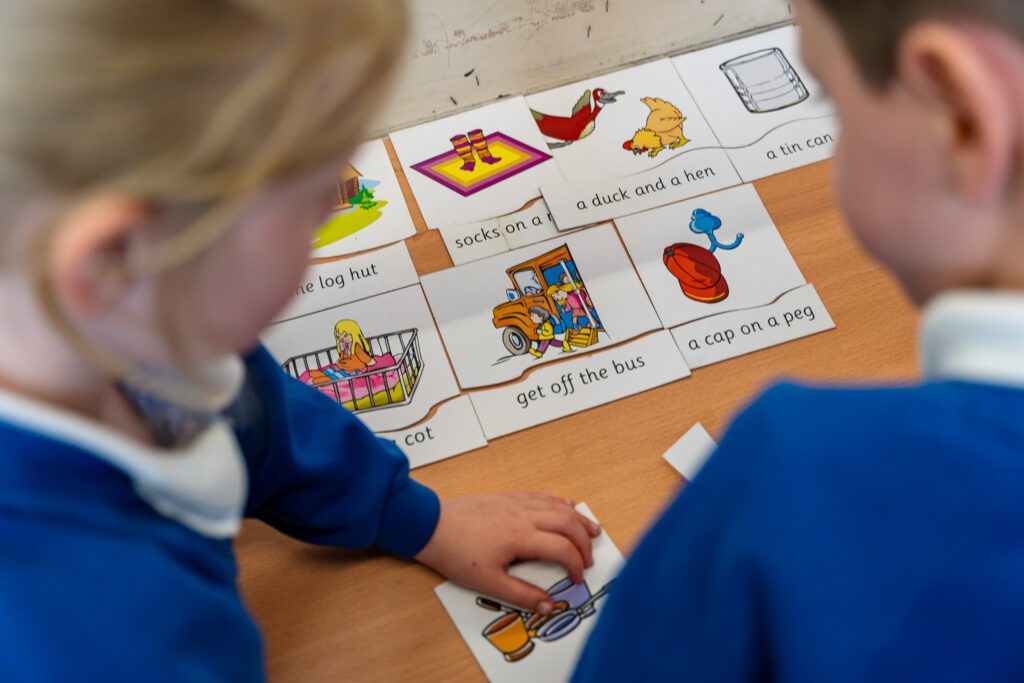
Phonics is taught every day in the Early Years and Key Stage 1 classes where existing knowledge is revisited and built on. In Key Stage 2, the approach is carried on in spelling sessions and in intervention programmes for children who need extra support.

Beginner readers are taught:

  • Grapheme-phoneme correspondences in clear stages (linking spellings and sounds).
  • The important skill of blending (synthesising) phonemes.
  • Segmenting words into their constituent phonemes to aid reading and spelling.
  • Common exception words

The teaching of phonics is systematic, this means that it follows a carefully structured programme, building on previous learning to secure children´s progress. It is taught discretely and daily, with opportunities to apply phonic knowledge and skills across the curriculum and in activities such as whole class and guided reading, as well as reading independently.

The children´s progress in developing and applying their phonic knowledge is carefully assessed and monitored throughout EYFS and KS1. Teachers use this information to inform teaching and provide additional support where it is needed. At the end of Year 1, all children take a National phonics screening assessment and any child who does not achieve the pass mark will receive additional support and re-take the screening at the end of Year 2.

Children take home phonetically decodable reading books that are linked to their phonics learning at school. This will allow them to practise and embed their phonics learning whilst developing their fluency and comprehension skills. Alongside the phonetically decodable reading books, there are a wide range of reading books in classrooms and the school library that help to foster a love of reading and reading for pleasure.

Each year we hold a range of valuable information sessions for all parents which, explains how we teach early reading and how you can help at home.


Helping Your Child At Home

In Key Stage 1, children are given sound mats and a bookmark with a list of common exception words that they are learning to read in their reading diaries. Please use these alongside reading your child’s reading books with them at home. 

The link below takes you to the Phonics Play site which, contains games and activities which, are free for your children to enjoy and will support their phonics development.

Please click here for the Parent guide full of useful information about ‘Rocket Phonics’ across each stage of learning.

Please see below for a video showing the correct pronunciation of ‘pure phonics sounds’.

Phonics Play – Pronunciation of phonics sounds


Below are the sound mats that show the Grapheme Phoneme Correspondences linked to each stage of learning.

Our writing curriculum is rooted in the Literacy Tree approach and expertly adapted to reflect our context and the needs of our pupils. Each unit is built around a carefully chosen core text that functions simultaneously as a reading anchor, a source of rich discussion and a model for high-quality writing.

Teaching sequences are deliberately structured to include:

  • Repeated reading and purposeful book talk to deepen comprehension
  • Explicit teaching of grammar, punctuation and sentence structures within meaningful contexts
  • Carefully scaffolded opportunities to plan, draft, edit and publish extended pieces

Foundational sentence-level skills are secured early and systematically revisited so that pupils can apply them independently as they progress towards greater complexity in Upper Key Stage 2.

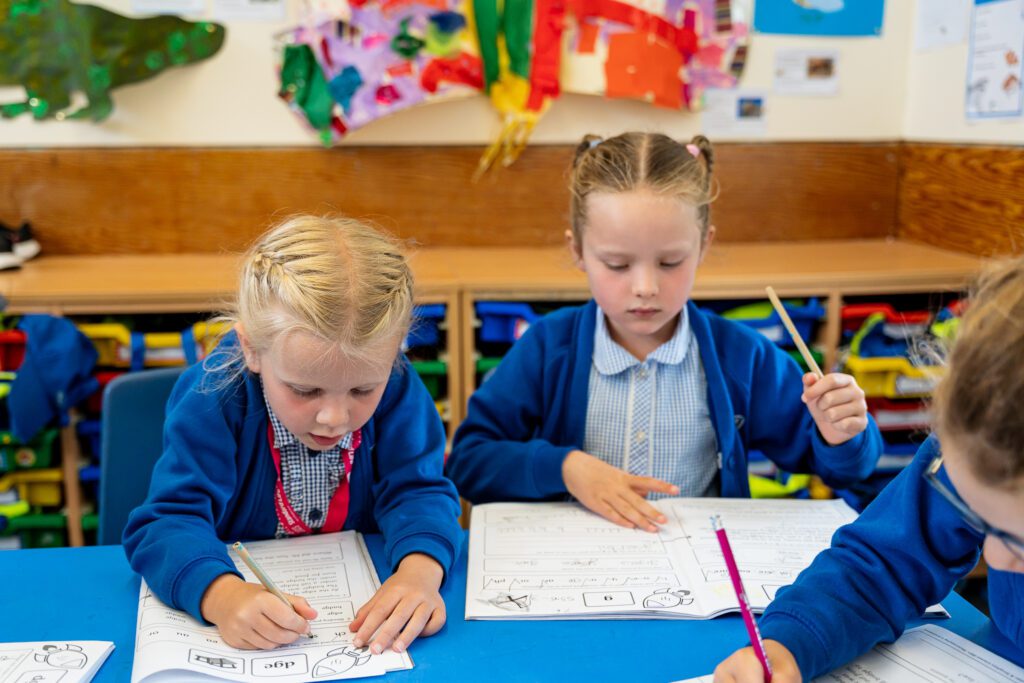
We place high importance on handwriting and presentation. A consistent, whole-school ‘ready to write’ approach teaches correct posture, grip and formation. Handwriting is taught explicitly and progressively, with clear success criteria and high expectations for all pupils.

Targeted support, adapted resources and additional practice ensure that we work towards an expectation that every child develops a fluent, legible handwriting style, enabling them to focus on composition and authorial choices.

Guide to Handwriting

Comprehension, fluency and meaning

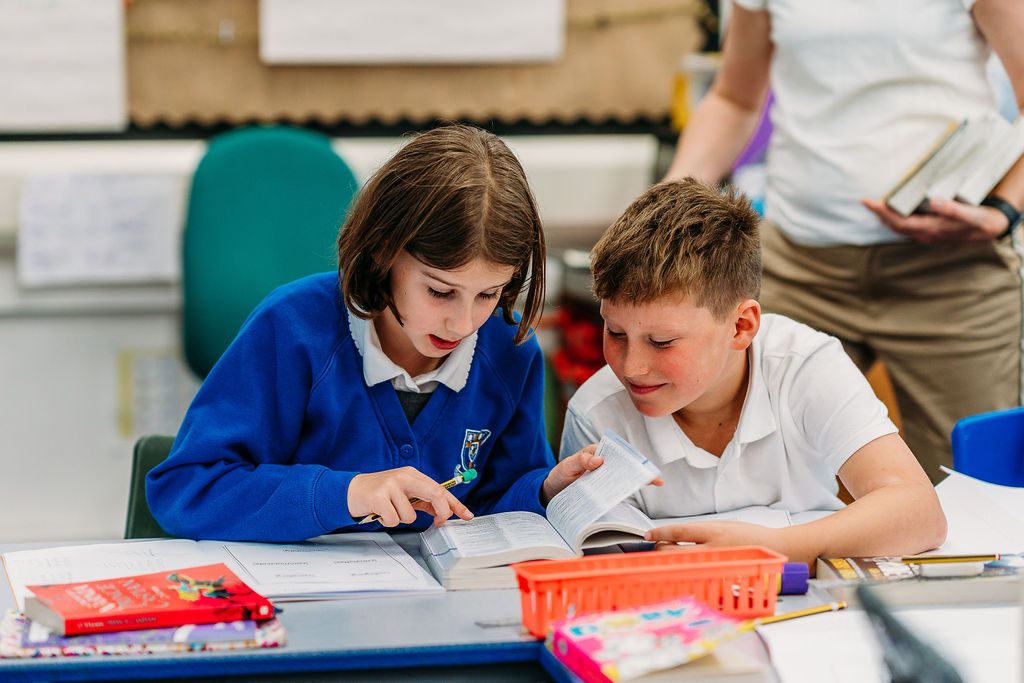
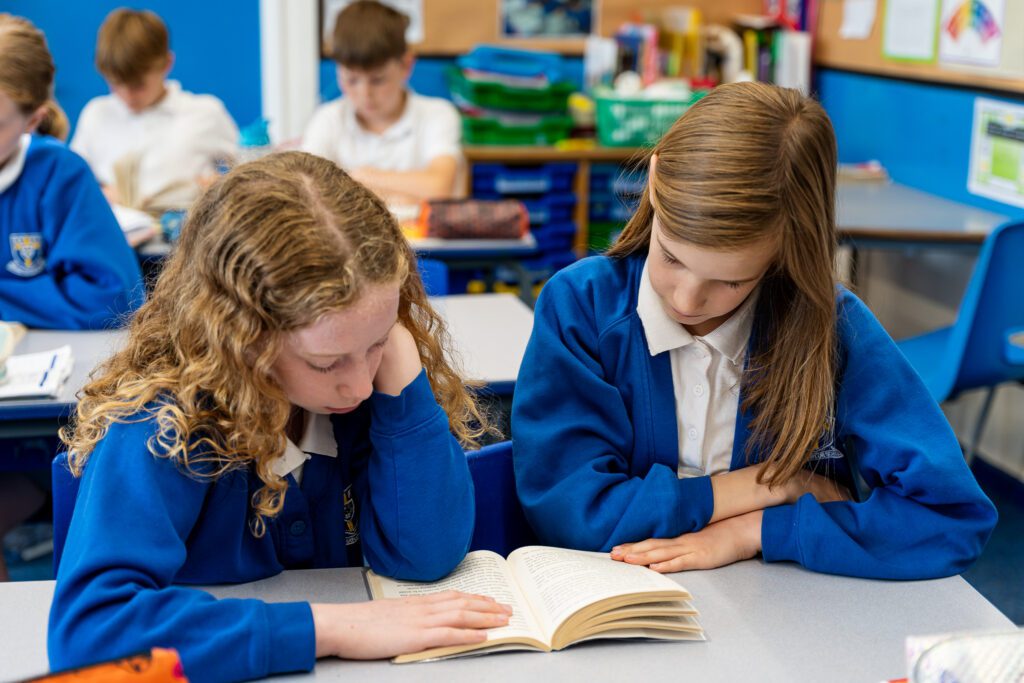
Our reading curriculum is designed to develop fluent, thoughtful readers who can comprehend, analyse and discuss a wide range of texts. Reading is planned alongside writing and oracy so that pupils understand how language, structure and meaning work together.

A carefully sequenced reading spine, ensures progression and coherence from EYFS to Year 6. In EYFS and KS1, texts are banded and sit alongside our Rocket Phonics programme. As children progress in their reading journey, we have curated class libraries with ‘real’ books levelled in book bands from which children can choose; giving them broader ownership of their reading whilst still guiding the level. We try to reflect pupils’ interests, backgrounds and curriculum links, enriching cultural capital and deepening subject knowledge.

Our explicity reading teaching focuses on:

  • Fluency, accuracy and prosody
  • Vocabulary acquisition and inference
  • Understanding authorial intent and text structure


Reading for pleasure

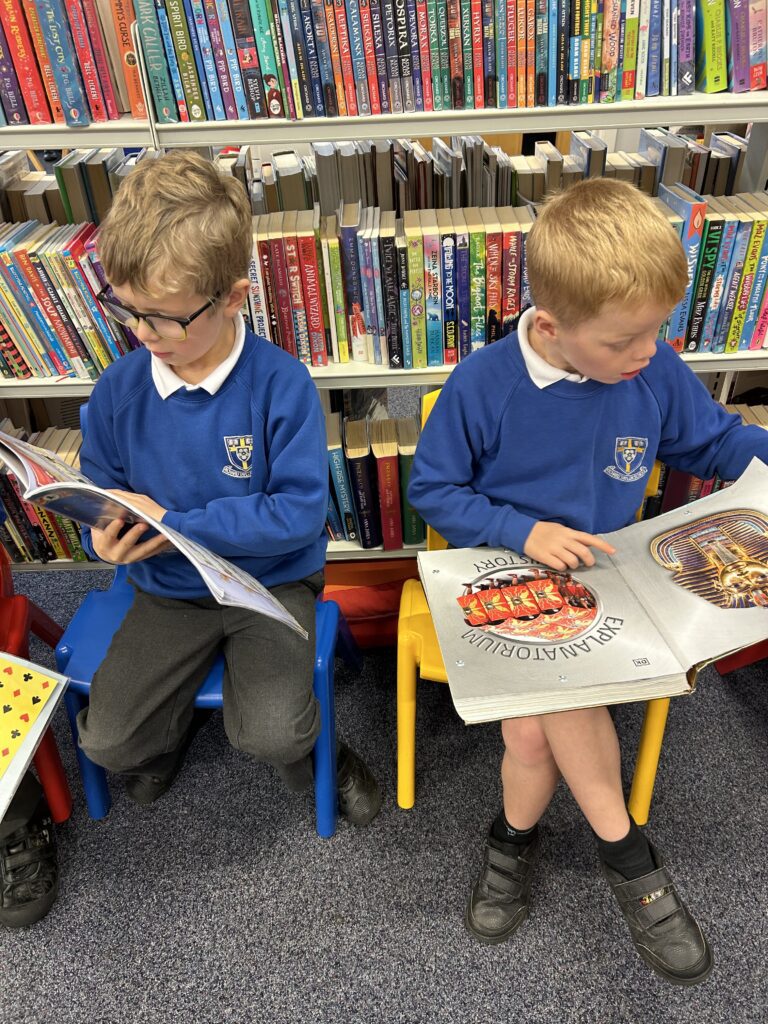
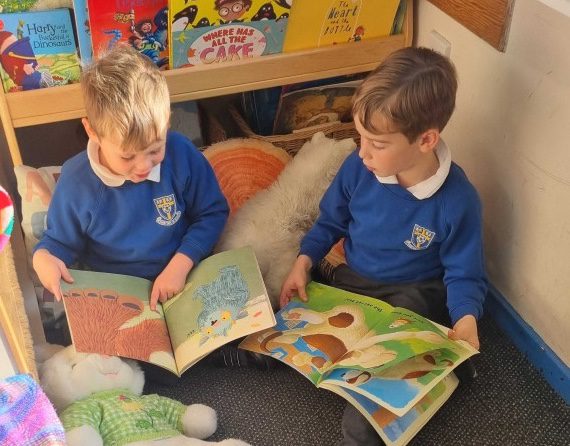
Reading for Pleasure is a central strand of our English provision and is explored in detail in a dedicated section of our website. Across the school, pupils are immersed in a reading-rich culture that promotes choice, ownership and enjoyment, supported by high-quality class libraries, peer recommendations and adult reading role models.


You can find useful website links below which will help support your childs reading. 

Supportive documents linked to our Spelling, Punctuation and Grammar (SPAG) lessons can be found below.

RTS MTP Spelling Progression

Year 1 grammar

Year 2 grammar

Year 3 grammar

Year 4 grammar

Year 5 grammar

Year 6 grammar

Spoken language is explicitly and systematically developed across all curriculum subjects but in English specifically, structured book talk is a regular feature of lessons, with pupils using the Agree, Build, Challenge (ABC) approach to discuss texts, justify viewpoints and extend ideas.

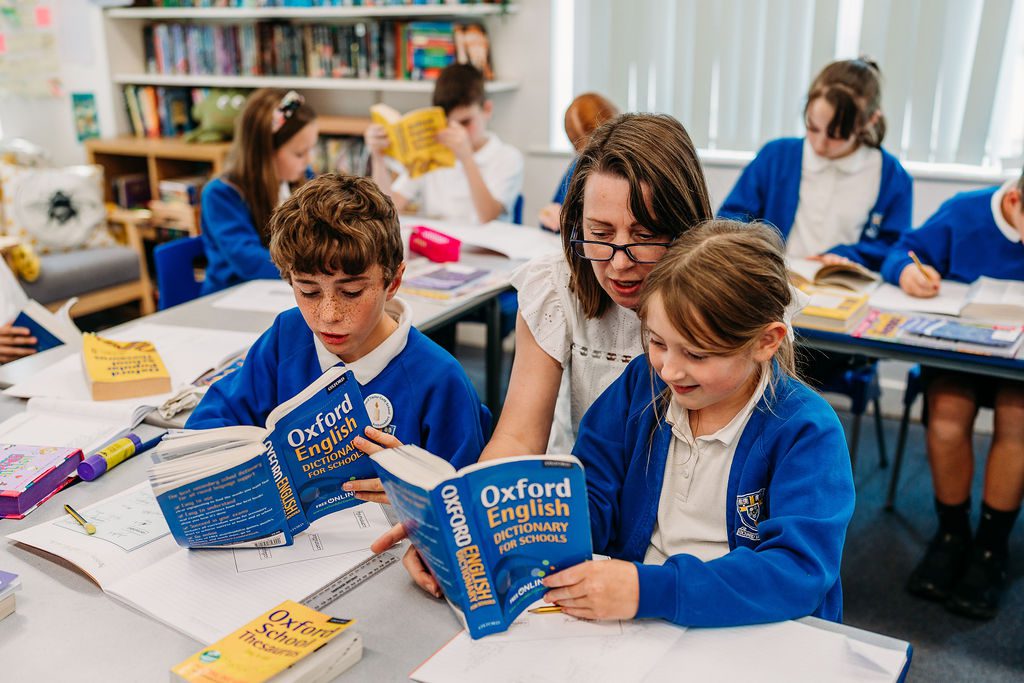
Vocabulary is taught explicitly, supported by associated actions and regular revisiting. Pupils are expected to transfer this language into both spoken contributions and independent writing, strengthening the reciprocal relationship between reading, oracy and composition.

Inclusion is integral to our English curriculum. Teaching is coherently sequenced, ambitious and responsive, supporting all pupils regardless of barriers to learning to engage with and progress in reading, writing and oracy.

Targeted interventions, skilled adult support, assistive technologies (including Clicker) and carefully adapted planning to enable pupils to build independence and confidence. Assessment is used to identify barriers early and secure timely support.

Our English curriculum extends well beyond the classroom, offering pupils frequent opportunities to apply their literacy skills in rich and meaningful contexts. These include:

  • Author visits, theatre performances and book events
  • Participation in national initiatives such as World Book Day, the National Children’s Book Award and the National Literacy Trust’s Year of Reading
  • Reading buddies, reading ambassadors and a pupil-led book club
  • Strong home–school partnerships, including reading records and KS1 mystery readers

These experiences enrich cultural capital, deepen vocabulary and strengthen pupils’ identities as readers, writers and speakers. We work hard to show that adults are readers too, working as role models and mentors for our children.

Assessment in English is purposeful, ongoing and used to inform next steps in teaching. Reading is monitored through fluency checks and termly comprehension assessments, with progress tracked over time. Writing is teacher assessed half-termly, drawing on both taught sequences and independent writing opportunties.

Regular internal and external moderation ensures accuracy and consistency of judgements. Assessment outcomes inform planning, targeted support and clear communication with pupils and parents.